Personal Finance for Young Adults: Build a Strong Financial Foundation Early
Navigating personal finance for young adults can be overwhelming. Between starting your first job, paying off student loans, and figuring out how to save, it’s easy to feel lost. But mastering money management early sets you up for long-term success. This guide will help you understand the basics of personal finance, create good financial habits, and start building wealth.
Why Personal Finance Matters in Your 20s
The financial decisions you make in your 20s will impact the rest of your life. Starting early gives you the advantage of time, especially when it comes to saving and investing. From improving your credit score to learning how to budget and save, taking control now helps prevent future financial stress.
How Can You Best Set Yourself Up for Personal Success?
1. Track Your Spending and Income
Begin by understanding where your money goes. Use a budgeting app like Mint or YNAB, or even a simple spreadsheet. Track every source of income and every expense. Awareness is the first step to change.
2. Build an Emergency Fund
Financial experts recommend having 3 to 6 months of living expenses in a separate savings account. Start small:
- Goal 1: $500
- Goal 2: $1,000
- Then keep building
3. Create a Budget That Works for You
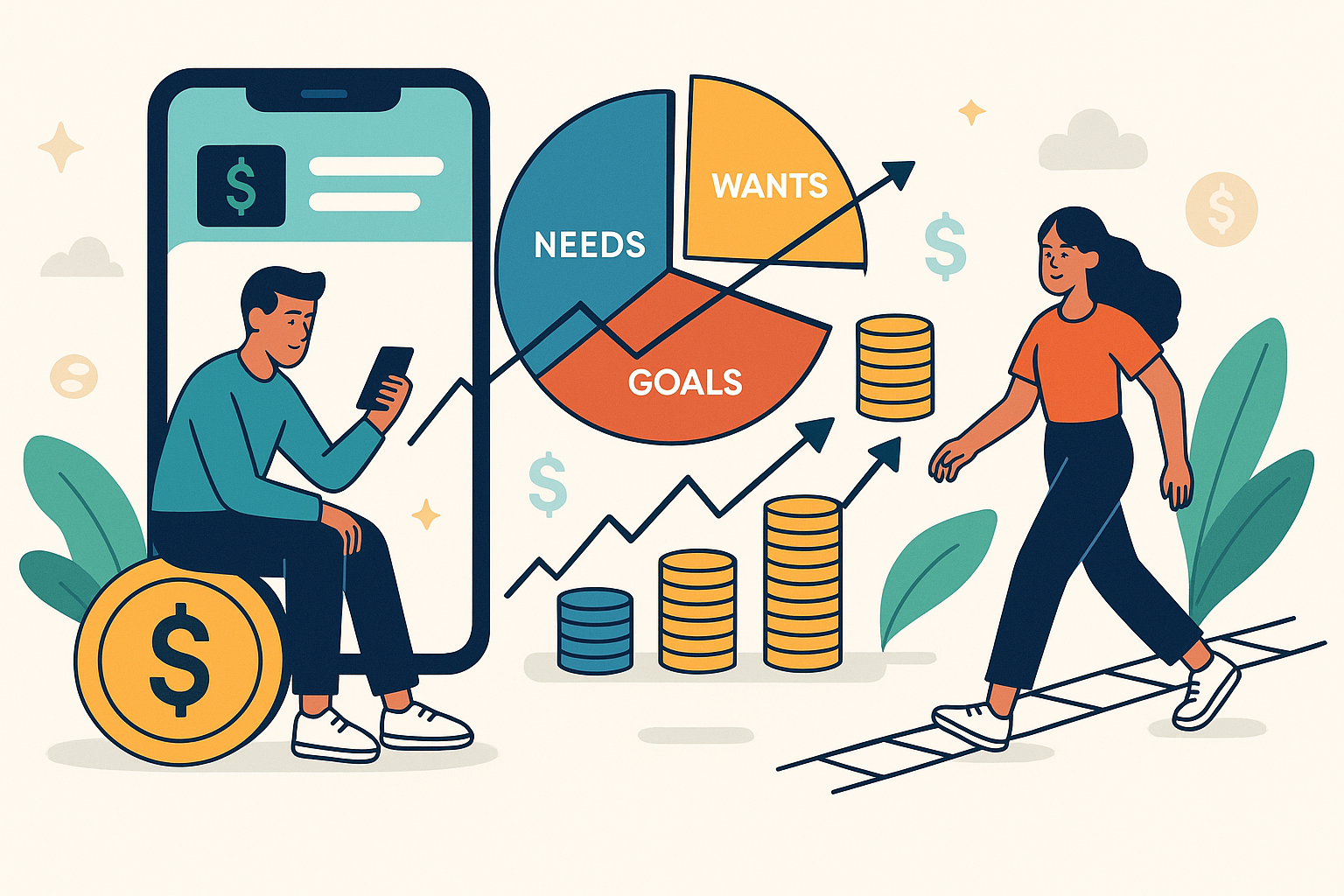
A popular rule is the 50/30/20 method:
- 50% needs: rent, utilities, groceries
- 30% wants: dining out, subscriptions
- 20% savings/debt: emergency fund, investments, debt payoff
Make your budget realistic and adaptable. Review it monthly and track your progress.
4. Understand Credit and Use It Wisely
Your credit score affects your ability to rent, borrow, or even get hired. Build credit by:
- Getting a starter credit card
- Paying off the balance in full every month
- Keeping utilization below 30%
5. Start Investing Early
Even small investments grow significantly over time thanks to compound interest. Start with:
- A Roth IRA
- A 401(k) with employer match if available
- Beginner-friendly platforms or robo-advisors
6. Pay Off High-Interest Debt
Focus on credit cards and other high-interest loans first. Use either:
- The Snowball Method (smallest debt first)
- The Avalanche Method (highest interest rate first)
7. Automate Your Finances
Set up automatic transfers for:
- Savings
- Bill payments
- Investments
Automation builds consistency and removes temptation.
8. Keep Learning
Stay engaged by exploring:
- Blogs and YouTube channels
- Podcasts like The Money Guy Show or Afford Anything
- Books like I Will Teach You to Be Rich by Ramit Sethi
Conclusion
Personal finance for young adults isn’t about being perfect — it’s about being proactive. The earlier you start building smart habits, the easier your financial life will become. Make a plan, stay consistent, and watch your confidence (and bank account) grow.